
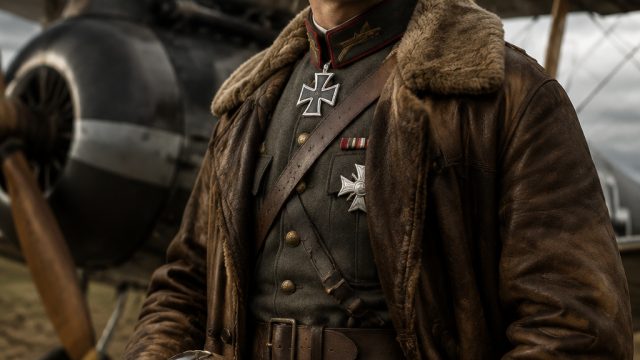
Uncovering the Legacy of Josef Veltjens: A WWI Ace's Journey
The world of aviation is filled with extraordinary figures, but few stand out like Josef Veltjens. A German fighter pilot during World War I, Veltjens is remembered not only for his aerial prowess but also for his controversial life choices that would follow in the decades to come. As we reflect on his legacy, it becomes increasingly evident why understanding figures like Veltjens is crucial in today’s context of military history and aviation innovation.
Aerial Triumphs in World War I
Josef Veltjens emerged as a prominent pilot during WWI, achieving an impressive tally of 35 confirmed aerial victories. His remarkable skills earned him recognition amongst his peers and positioned him as one of the leading aces of the German air force. This era of aerial combat witnessed the evolution of air warfare, where pilots battled not just against the enemy but also against the ever-changing technology of war.
The Skills of a Great Aviator
- Exceptional marksmanship
- Intuitive understanding of air combat tactics
- Ability to innovate under pressure
- Leadership qualities that inspired fellow pilots
Legacy in Aerial Warfare
Veltjens’ contributions shaped the doctrine of aerial combat, influencing future generations of pilots. His engagements in dogfights provided insights that would later be studied and emulated by air forces around the world. As we look back at such historical figures, it prompts discussions about how military strategy continues to evolve in the face of new technologies and warfare paradigms.
Controversy and Political Alliances
Following his distinguished service in WWI, Veltjens affiliated himself with the Nazi Party in Germany. This political alignment has sparked debates among historians and enthusiasts about the intersection of military service and political ideology. His later years included a direct clash with Adolf Hitler, a complex relationship that prompts inquiry into the motivations and consequences of his actions.
Conflict with Hitler
Veltjens' disagreements with the Nazi regime highlighted the internal conflicts faced by many military leaders of that era. As a decorated pilot, he had a significant voice, which he sometimes used to challenge the regime's decisions. This aspect of his life is vital for understanding the moral dilemmas faced by individuals embroiled in wartime politics.
Involvement in Secret Operations
During World War II, Veltjens was reportedly involved in clandestine arms operations that further complicated his legacy. Such activities underscore the murky ethics surrounding warfare, espionage, and the arms trade. Today, these themes remain relevant, as nations navigate the complexities of military engagement and international relations.
Impact on Modern Military Practices
Veltjens' life raises essential questions about the consequences of past military actions on current global strategies. As nations consider historical military figures, their decisions often influence contemporary military doctrines and policies. Recognizing the lessons from history enables military strategists to make informed choices about future engagements.
Conclusion: A Figure Worth Remembering
Josef Veltjens’ legacy is a tapestry of triumph, controversy, and complex moral choices. His journey through the skies of WWI and his subsequent political engagements remind us that the history of aviation is interwoven with the political fabric of its time. By studying figures like Veltjens, we gain insights not only into aerial combat but also into the broader implications of military service and political allegiance. Understanding these narratives is vital as we navigate the future of aviation and military strategy.
